HR compliance software vs manual compliance tracking
Compare HR compliance software with manual compliance tracking to understand the risks, benefits, and why many organisations move from spreadsheets to automated HR systems.

Employment compliance is one of the most important operational responsibilities for any organisation. Businesses must follow employment laws, maintain accurate employee records, enforce workplace policies, and demonstrate that internal processes are applied fairly and consistently.
Traditionally, many companies have tracked compliance manually using spreadsheets, shared folders, and email communications. While this approach can work for very small teams, it often becomes difficult to manage as organisations grow.
Modern HR compliance software provides an alternative approach by centralising HR processes, automating monitoring tasks, and maintaining clear audit trails of workplace decisions.
Understanding the differences between HR compliance software and manual compliance tracking can help businesses choose the approach that best supports their governance and compliance needs.
What manual HR compliance tracking looks like
Manual compliance tracking typically involves managing employee records and policies using spreadsheets, documents, and internal communications.
For example, companies may store employment contracts in shared folders, track leave balances in spreadsheets, and distribute workplace policies through email.
While this approach may appear simple at first, it often leads to fragmented information as the organisation grows.
Common challenges of manual compliance tracking include:
- employee records stored in multiple locations
- policies distributed without acknowledgement tracking
- difficulty monitoring working hours or leave entitlement
- limited visibility across teams and departments
- lack of clear audit trails for HR decisions
These issues can make it difficult for organisations to demonstrate compliance if disputes or audits occur.
What HR compliance software does
HR compliance software centralises HR processes in one system and helps organisations maintain structured employee records, policies, and compliance workflows.
These platforms are designed to help organisations follow employment laws and internal policies by standardising HR processes and maintaining clear documentation of what actions were taken and when. [oai_citation:0‡cxcglobal.com](https://www.cxcglobal.com/blog/hr-tech/best-hr-compliance-software/?utm_source=chatgpt.com)
Modern compliance platforms typically include features such as policy management, document storage, audit trails, and compliance alerts that help businesses track regulatory requirements and employee processes. [oai_citation:1‡peoplemanagingpeople.com](https://peoplemanagingpeople.com/tools/best-compliance-software/?utm_source=chatgpt.com)
By bringing these elements together, HR systems provide organisations with better oversight of compliance-related activities.
Key differences between manual tracking and HR software
Data organisation
Manual systems often store employee data across multiple files and systems, which increases the risk of inconsistent records.
HR software centralises employee information, creating a single source of truth for contracts, policies, and employment records.
Compliance monitoring
Manual processes rely heavily on human oversight. This means important tasks such as policy reviews, right-to-work checks, or leave updates may be overlooked.
HR platforms can automate reminders and compliance checks, helping organisations monitor compliance continuously rather than reacting after problems occur.
Audit trails
When HR processes are managed through spreadsheets or email, it can be difficult to demonstrate exactly what decisions were made and when.
Compliance software maintains detailed audit trails of HR activity, making it easier to demonstrate that policies and procedures were followed correctly.
Risk management
Manual tracking systems increase the likelihood of human error. Missing documents, outdated records, or inconsistent policies can create legal risks.
HR compliance platforms help reduce these risks by enforcing structured workflows and maintaining consistent records.
Why many companies move away from manual systems
As organisations grow, manual compliance tracking often becomes unsustainable. Managing employee records across spreadsheets and shared documents creates increasing administrative burden.
Modern HR software helps organisations centralise processes, reduce administrative workload, and maintain clearer oversight across the workforce.
Research into HR technology also shows that digital HR systems help standardise processes and improve organisational consistency in managing employment practices. [oai_citation:2‡en.wikipedia.org](https://en.wikipedia.org/wiki/E-HRM?utm_source=chatgpt.com)
How PandaHR supports compliance management
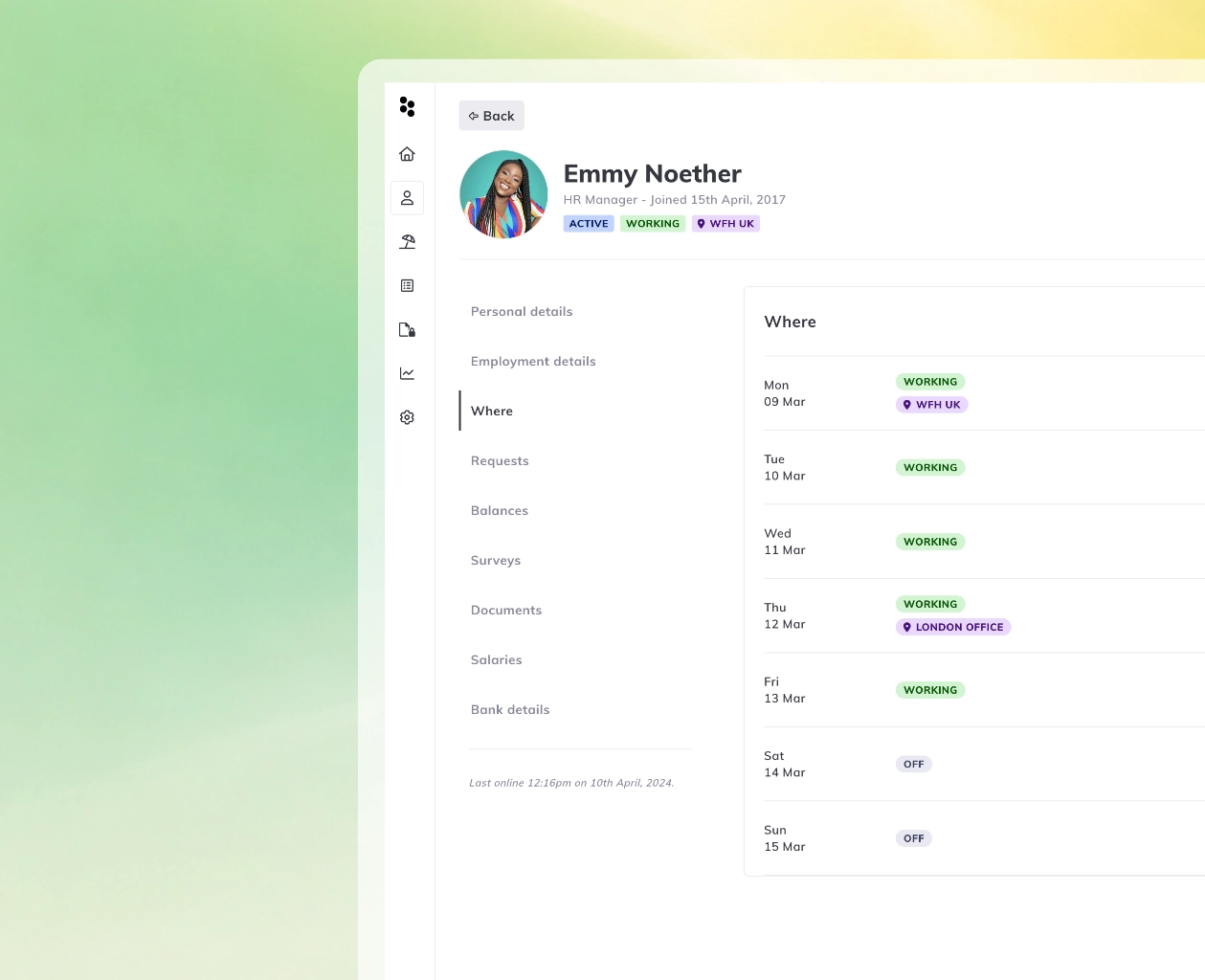
Platforms such as PandaHR help organisations manage compliance by centralising employee records, managing HR policies, tracking leave, and maintaining audit trails.
By bringing HR processes together in one system, organisations gain better visibility across their workforce and reduce the risk of compliance issues caused by fragmented records.
For growing businesses, structured HR systems can provide the oversight needed to maintain compliance while supporting efficient people management.
Frequently asked questions
What is HR compliance software?
HR compliance software is a system that helps organisations follow employment laws and workplace policies by standardising HR processes and maintaining clear records of compliance activities.
Why is manual HR compliance tracking risky?
Manual tracking often relies on spreadsheets and documents spread across multiple systems, which can lead to inconsistent records, missing documentation, and limited oversight.
How does HR software help reduce compliance risks?
HR software centralises employee records, tracks policies and leave, and maintains audit trails that help organisations monitor compliance more effectively.
Can HR compliance software replace legal advice?
No. HR software supports compliance processes and record keeping, but legal professionals are still needed for complex employment law decisions.
When should a company move from manual HR tracking to HR software?
Companies often move to HR software as their workforce grows and manual systems become difficult to manage across multiple employees, policies, and compliance processes.
HR software for SMBs
Clarity and control for growing organisations
Start your free trial of PandaHR and manage employee records, policies, and core HR workflows in one secure, structured platform.