How to build an HR compliance system for your business
Learn how to build an HR compliance system that helps your business manage employment laws, employee records, policies, and HR governance effectively.

HR compliance is not something that happens automatically. It requires clear processes, accurate records, and consistent oversight across the organisation.
As companies grow, HR processes often become fragmented. Employee records may live in multiple systems, policies may be outdated, and employment decisions may not always be documented clearly.
Without a structured compliance system in place, businesses can unknowingly drift out of compliance with employment regulations.
Building an HR compliance system helps organisations manage employment obligations more effectively and maintain stronger governance over their workforce.
Understand the laws that apply to your organisation
The first step in building an HR compliance system is understanding the employment laws that apply to your business.
These may include regulations related to employment contracts, working hours, pay requirements, employee rights, workplace safety, and data protection.
Because employment law varies by jurisdiction, employers should ensure they understand the legal requirements that apply to their workforce.
Create clear employment policies
Workplace policies help translate employment laws into practical guidance for employees and managers.
Common HR policies cover areas such as disciplinary procedures, grievance processes, equality, workplace conduct, and data protection.
Policies should be clearly written, easily accessible, and reviewed regularly to ensure they remain up to date.
Centralise employee records
Employee records are one of the most important components of HR compliance. Businesses should maintain structured records including employment contracts, working hours, leave balances, and key employment events.
When employee information is scattered across documents, spreadsheets, and email threads, it becomes much harder to maintain consistent oversight.
Centralising these records helps ensure information remains accurate and accessible.
Track employment changes
Employment relationships evolve over time. Employees may change roles, adjust working hours, or receive compensation changes.
An effective HR compliance system tracks these changes and ensures employment records are updated accordingly.
Keeping employment information aligned with real working arrangements helps prevent compliance gaps.
Maintain policy acknowledgement records
When organisations distribute workplace policies, it is important to record whether employees have received and acknowledged them.
Tracking acknowledgements provides evidence that employees were informed about workplace expectations and procedures.
This documentation can be valuable if disputes arise.
Monitor leave and working patterns
Employers should ensure employees receive the correct leave entitlement and that working hours remain within legal limits.
Monitoring leave balances and working patterns helps organisations maintain compliance with employment standards.
This is particularly important when employees work flexible schedules or when working patterns change.
Document HR decisions
Many employment disputes arise when employers cannot demonstrate how decisions were made.
An effective HR compliance system includes clear documentation of disciplinary actions, grievances, promotions, and other key decisions.
Maintaining an audit trail of HR activity helps ensure processes remain transparent and consistent.
Protect employee data
Employee records contain sensitive personal information and must be handled responsibly.
Employers should implement appropriate data protection practices, including secure storage, controlled access, and clear data retention policies.
These measures help ensure employee data is managed in line with privacy regulations.
Use structured HR software
Manual systems can become difficult to manage as organisations grow. Spreadsheets and shared folders often lead to inconsistent records and limited visibility across HR processes.
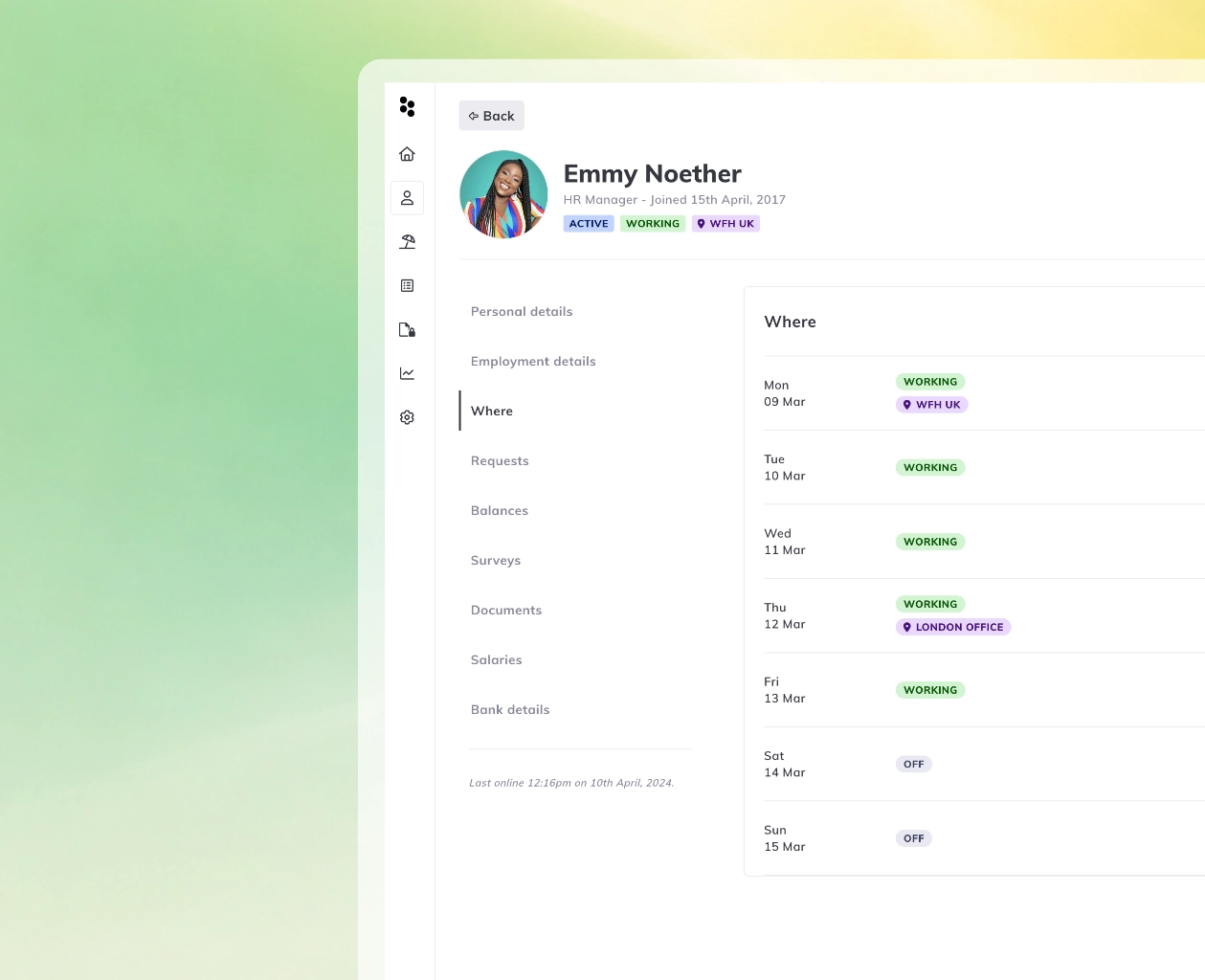
HR platforms such as PandaHR help businesses centralise employee records, manage policies, track leave, and maintain audit trails that support compliance monitoring.
By bringing HR processes into a single structured system, organisations can improve oversight and reduce compliance risks.
Review and improve compliance processes regularly
HR compliance systems should evolve as organisations grow and as employment regulations change.
Employers should review policies, employment records, and HR procedures regularly to ensure they remain aligned with legal requirements and operational practices.
By maintaining a structured compliance framework, businesses can create stronger governance while reducing legal risks.
Frequently asked questions
What is an HR compliance system?
An HR compliance system is a structured approach that organisations use to ensure their HR processes follow employment laws and internal policies.
Why do businesses need an HR compliance system?
A compliance system helps businesses maintain consistent HR processes, reduce legal risks, and demonstrate that employment practices follow regulatory requirements.
What should an HR compliance system include?
It should include clear policies, structured employee records, policy acknowledgements, leave tracking, and documentation of HR decisions.
How can HR software support compliance systems?
HR software centralises employee records, manages policies, tracks leave and working patterns, and provides audit trails that help organisations monitor compliance.
How often should HR compliance systems be reviewed?
Compliance systems should be reviewed regularly, especially when employment laws change or when organisations grow and HR processes evolve.
HR software for SMBs
Clarity and control for growing organisations
Start your free trial of PandaHR and manage employee records, policies, and core HR workflows in one secure, structured platform.