How to reduce HR compliance risk in growing organisations
Learn how growing organisations can reduce HR compliance risk by improving processes, maintaining accurate records, and using structured HR systems.

As organisations grow, HR responsibilities become more complex. What once worked for a small team can quickly become difficult to manage across a larger workforce.
New hires, evolving job roles, changing working patterns, and expanding HR processes all increase the risk of compliance gaps appearing within the organisation.
Without structured oversight, businesses can unintentionally drift out of compliance with employment laws or internal policies.
Reducing HR compliance risk requires a proactive approach that combines clear policies, reliable documentation, and consistent monitoring of HR processes.
Understand the compliance risks that come with growth
Growing organisations face unique HR challenges. As teams expand, managers may begin handling HR responsibilities across multiple departments and locations.
This can lead to inconsistent application of policies, outdated records, or decisions that are not documented properly.
Understanding where compliance risks typically arise allows organisations to build stronger governance around their HR processes.
Maintain accurate employee records
Accurate employee records are essential for demonstrating compliance. Employers should maintain records of employment contracts, working hours, leave balances, role changes, and disciplinary actions.
When employee records are fragmented across spreadsheets, documents, and emails, it becomes difficult to maintain clear oversight.
Centralising these records helps ensure information remains accurate and accessible.
Keep employment contracts aligned with working arrangements
Employment terms often change as organisations grow. Employees may move roles, adjust working hours, or take on new responsibilities.
If contracts are not updated when these changes occur, employers may inadvertently create compliance issues.
Regular contract reviews help ensure employment terms reflect current working arrangements.
Implement clear workplace policies
Workplace policies provide guidance on how issues such as disciplinary actions, grievances, equality, and workplace conduct should be handled.
As organisations grow, policies should be reviewed and updated regularly to ensure they remain aligned with legal requirements and internal practices.
Clear policies also help ensure consistent decision-making across teams.
Train managers on HR responsibilities
Managers often make decisions that affect HR compliance, such as handling performance issues or approving working arrangements.
Providing training on workplace policies and employment law basics helps ensure managers apply policies consistently and avoid accidental violations.
Monitor leave and working hours
Employment regulations often include requirements around working hours, rest periods, and statutory leave.
Organisations should regularly review leave balances and working patterns to ensure employees receive their correct entitlements.
This becomes particularly important as flexible working arrangements become more common.
Maintain audit trails of HR activity
Clear documentation of HR decisions is essential for demonstrating fair and consistent processes.
Employers should maintain records of disciplinary actions, grievances, role changes, and other important HR decisions.
Audit trails help organisations demonstrate compliance if disputes arise.
Use structured HR systems
Manual HR processes often struggle to scale with organisational growth. Spreadsheets and email-based systems can lead to fragmented records and limited oversight.
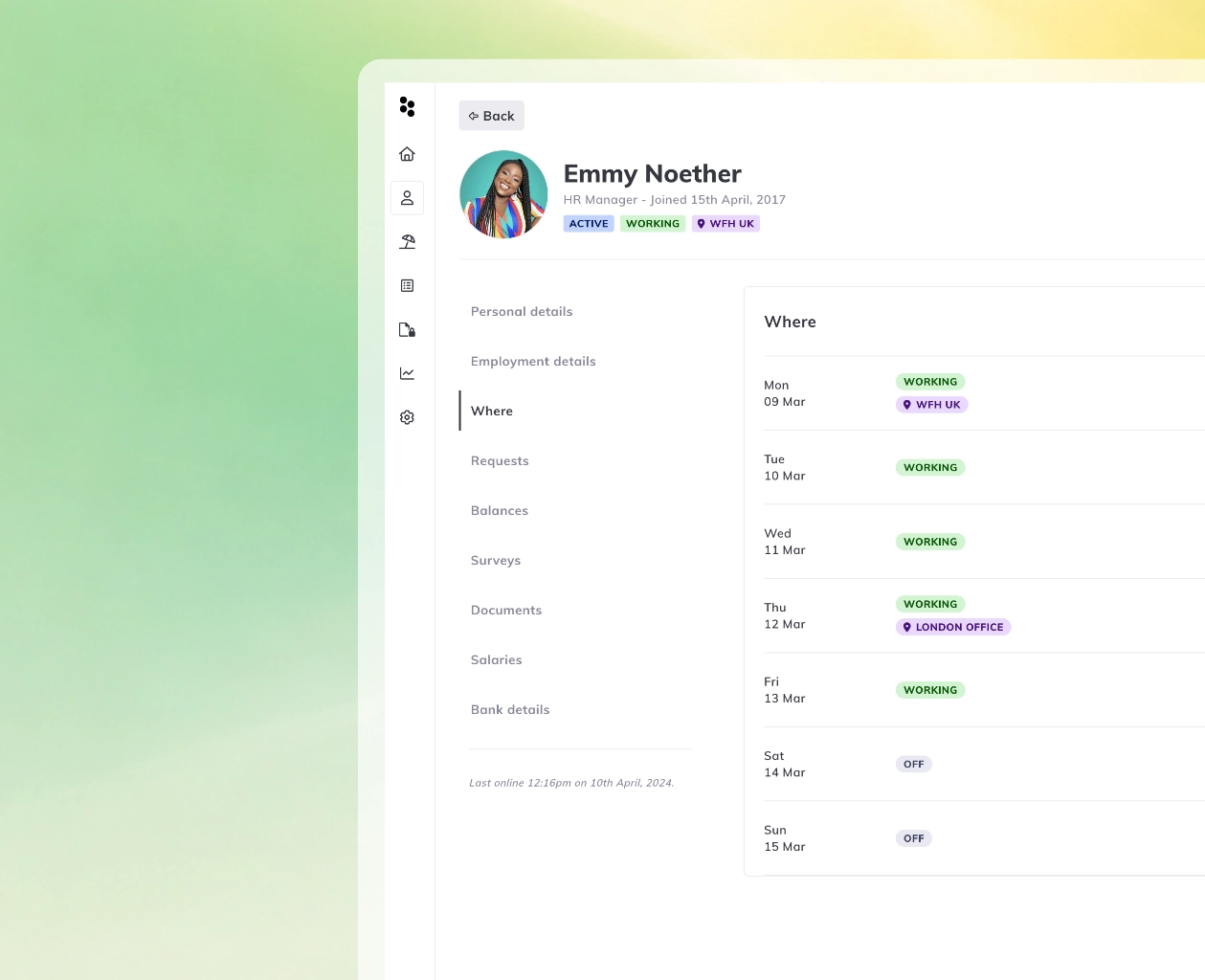
HR platforms such as PandaHR help organisations centralise employee records, manage policies, track leave, and maintain audit trails.
By bringing HR processes together in one platform, businesses gain better visibility across their workforce and reduce the risk of compliance failures.
Review compliance processes regularly
Employment laws and workplace practices evolve over time. Organisations should periodically review HR policies, employment records, and internal processes to ensure they remain aligned with current regulations.
Regular reviews help identify potential compliance gaps before they become larger issues.
Creating a proactive approach to compliance
Reducing HR compliance risk is not about reacting to problems after they occur. Instead, organisations benefit from building proactive systems that support consistent HR processes.
By combining accurate records, clear policies, and structured HR systems, growing businesses can maintain stronger governance and protect themselves from unnecessary legal risk.
Frequently asked questions
Why do compliance risks increase as organisations grow?
As companies expand, HR processes become more complex and involve more managers and employees, which can lead to inconsistent policies and outdated records.
What are common HR compliance risks in growing companies?
Common risks include outdated employment contracts, inconsistent disciplinary procedures, incorrect leave calculations, and poor employee record keeping.
How can businesses reduce HR compliance risks?
Businesses can reduce risks by maintaining accurate records, updating policies regularly, training managers, and monitoring HR processes consistently.
Why are employee records important for compliance?
Employee records help organisations demonstrate that employment decisions and workplace practices follow legal requirements.
How can HR software help reduce compliance risks?
HR software centralises employee records, manages policies, tracks leave and working patterns, and provides audit trails that help organisations monitor compliance.
HR software for SMBs
Clarity and control for growing organisations
Start your free trial of PandaHR and manage employee records, policies, and core HR workflows in one secure, structured platform.