HR compliance checklist: 12 steps every business should follow
A practical HR compliance checklist covering 12 essential steps businesses should follow to stay compliant with employment laws and workplace regulations.

HR compliance is a critical responsibility for employers. Employment laws govern how businesses hire, manage, and support employees, and failing to follow these rules can lead to legal disputes, financial penalties, and reputational damage.
For many organisations, the challenge is not understanding employment law but ensuring everyday HR processes consistently follow those rules.
This HR compliance checklist outlines twelve key steps businesses should follow to maintain strong governance across their workforce.
1. Provide written employment terms
Every employee should receive written details of their employment terms. These typically include job responsibilities, pay, working hours, holiday entitlement, and notice periods.
Ensuring employment terms are clear and documented helps prevent misunderstandings and disputes.
2. Keep employment contracts up to date
Employment contracts should be reviewed and updated whenever roles, responsibilities, working hours, or compensation change.
Outdated contracts can create compliance issues and confusion for both employers and employees.
3. Maintain accurate employee records
Employers should keep structured records for each employee, including personal details, contracts, leave records, and employment history.
Accurate records help demonstrate compliance and support better workforce management.
4. Verify right-to-work eligibility
Before employing someone, businesses must confirm that the individual has the legal right to work.
Employers should complete required checks and retain evidence of those checks for future reference.
5. Ensure minimum wage compliance
Employees must be paid at least the applicable minimum wage or living wage rates.
Employers should regularly review payroll processes to ensure compliance with wage regulations.
6. Monitor working hours
Working hours should comply with legal limits and ensure employees receive appropriate rest periods.
Tracking working patterns helps businesses remain aligned with working time regulations.
7. Manage leave entitlement correctly
Holiday entitlement should reflect the employee's working pattern and statutory requirements.
Employers should ensure leave policies are applied consistently across the workforce.
8. Maintain workplace policies
Organisations should maintain clear policies covering areas such as disciplinary procedures, grievances, equality, and data protection.
These policies should be reviewed periodically and communicated clearly to employees.
9. Track policy acknowledgements
Employers should record whether employees have received and acknowledged important workplace policies.
This documentation helps demonstrate that employees were informed about workplace rules and expectations.
10. Protect employee data
Employee information must be stored securely and accessed only by authorised individuals.
Organisations should implement appropriate data protection controls and ensure personal data is handled responsibly.
11. Document HR decisions
Important HR decisions, such as disciplinary actions or grievance outcomes, should be documented clearly.
Maintaining proper records helps organisations demonstrate fair and consistent processes.
12. Use structured HR systems
As businesses grow, managing compliance manually becomes increasingly difficult.
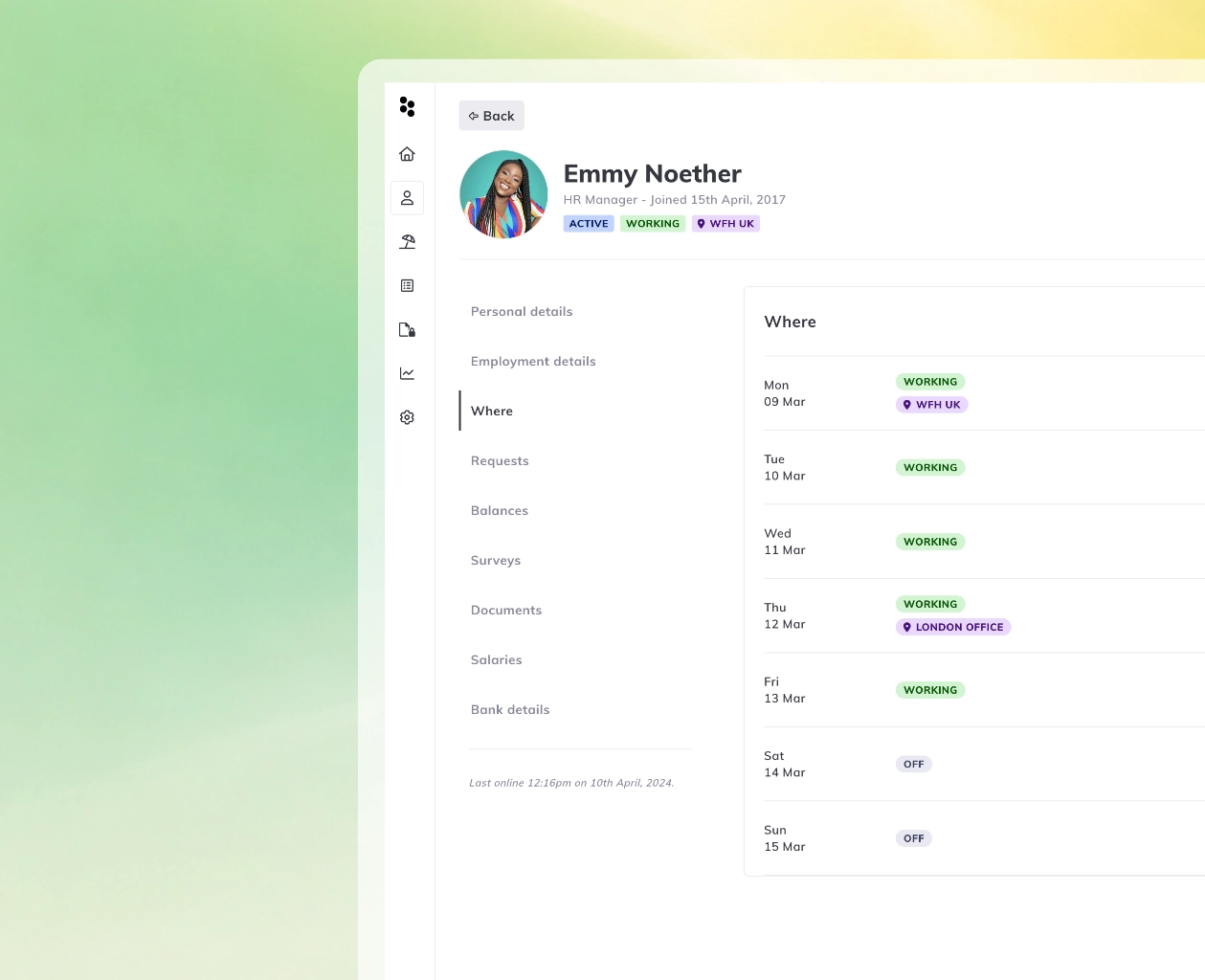
HR platforms such as PandaHR help organisations centralise employee records, manage policies, track leave, and maintain audit trails that support compliance monitoring.
Building stronger HR governance
Compliance is not a one-time exercise. It requires consistent processes, clear documentation, and regular review of policies and employment practices.
By following this checklist and maintaining structured HR processes, businesses can reduce legal risks while creating a more transparent and accountable workplace.
Frequently asked questions
What is HR compliance?
HR compliance refers to following employment laws, workplace regulations, and internal policies that govern how businesses manage employees.
Why do businesses need an HR compliance checklist?
A checklist helps employers ensure important compliance tasks are not overlooked and that HR processes remain consistent across the organisation.
How often should HR compliance processes be reviewed?
Employers should review HR compliance processes regularly, particularly when employment laws change or when internal policies are updated.
What records should employers keep for compliance?
Employers should keep records such as employment contracts, employee details, leave records, disciplinary documentation, and policy acknowledgements.
How can HR software help with compliance?
HR software can centralise employee data, manage policies, track leave, and maintain audit trails that help organisations monitor compliance more effectively.
HR software for SMBs
Clarity and control for growing organisations
Start your free trial of PandaHR and manage employee records, policies, and core HR workflows in one secure, structured platform.