How to stay compliant with UK employment law: 10 steps for employers
A practical guide outlining 10 steps employers can take to stay compliant with UK employment law, from contracts and policies to data protection and record keeping.

Employment law in the UK covers a wide range of responsibilities for employers, from providing written employment terms to ensuring fair workplace practices and protecting employee data.
For growing organisations, compliance can become increasingly complex as teams expand, roles evolve, and internal processes change. The challenge is not just understanding employment law but maintaining consistent practices across the organisation.
Taking a structured approach to HR processes can help businesses reduce legal risks and maintain strong governance over employee management.
Below are ten practical steps employers can take to help ensure their organisation remains compliant with UK employment law.
1. Provide clear written employment terms
Employers must provide employees with written details of their employment terms, including pay, working hours, holiday entitlement, and notice periods.
Ensuring contracts are clear, accurate, and regularly updated helps avoid misunderstandings and legal disputes.
2. Maintain accurate employee records
Accurate employee records are essential for demonstrating compliance. Employers should maintain records relating to employment contracts, working hours, leave, and key employment events such as promotions or role changes.
Well-structured records help organisations respond effectively to disputes, audits, or internal reviews.
3. Implement clear workplace policies
Workplace policies provide guidance for employees and managers on how issues should be handled. These often include disciplinary procedures, grievance processes, equality policies, and data protection guidelines.
Policies should be reviewed regularly and updated as regulations or company practices evolve.
4. Track working hours and rest periods
Employers must ensure that employees' working hours comply with legal limits and that appropriate rest periods are provided.
Monitoring working patterns helps ensure businesses remain aligned with working time regulations.
5. Manage leave entitlement correctly
Holiday entitlement must be calculated accurately and reflect an employee's working pattern.
Employers should ensure leave policies remain aligned with working schedules and that employees receive the correct statutory leave entitlement.
6. Follow fair disciplinary procedures
When workplace issues arise, employers should follow consistent disciplinary procedures and document decisions carefully.
Fair and transparent processes help protect both the organisation and employees.
7. Conduct right-to-work checks
Before employing someone in the UK, employers must confirm that the individual has the legal right to work. Employers should retain evidence of these checks and monitor follow-up requirements where applicable.
8. Protect employee data
Employee records contain sensitive information and must be handled in accordance with UK data protection rules.
Employers should ensure data is stored securely, access is controlled, and employee information is handled responsibly.
9. Train managers on employment law basics
Managers often make day-to-day decisions that affect employment compliance. Providing basic training on employment law principles can help ensure policies are applied consistently across teams.
10. Use structured HR systems
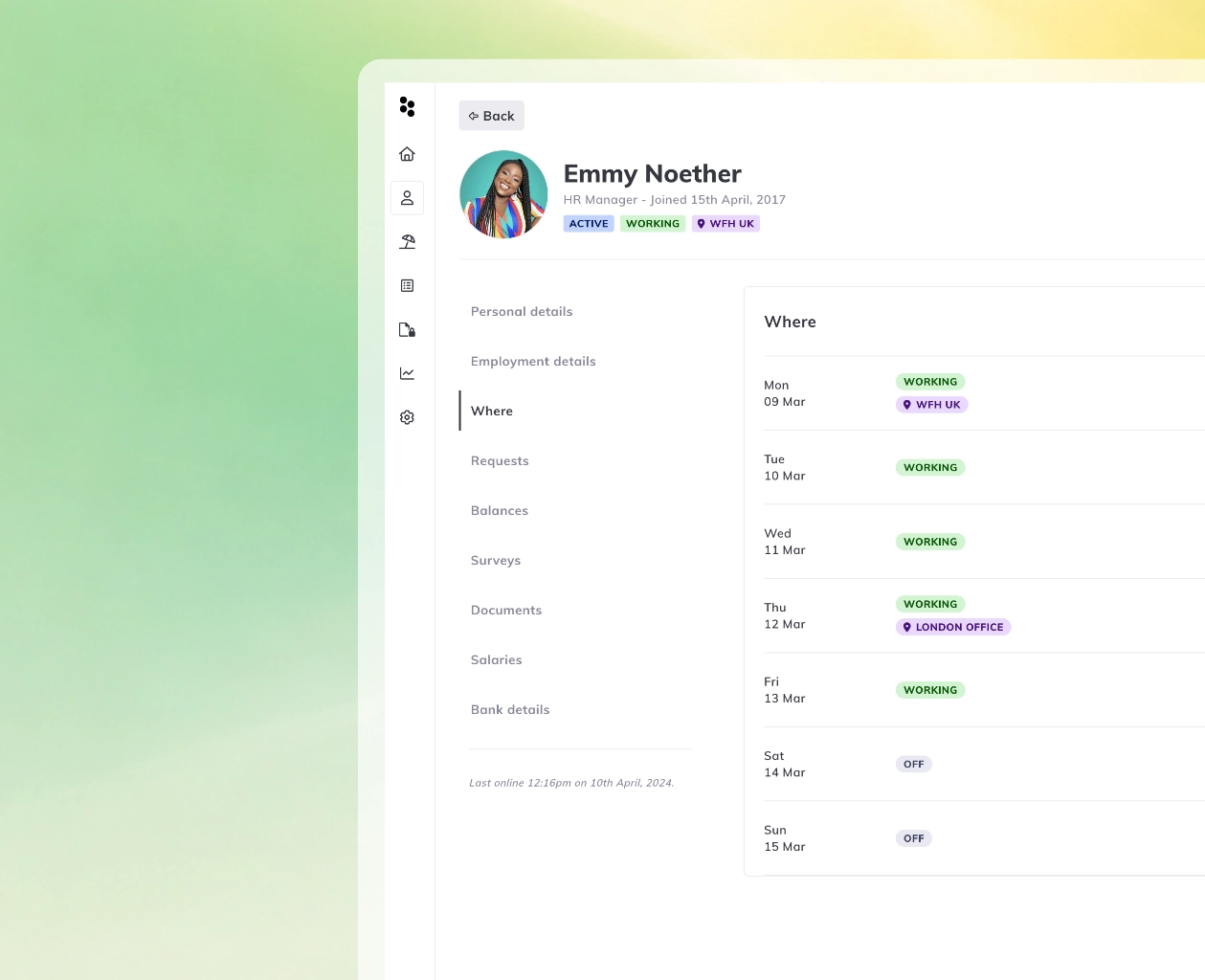
Manual processes can become difficult to manage as organisations grow. Using structured HR systems can help businesses centralise employee records, manage policies, track leave, and maintain audit trails.
Platforms such as PandaHR help organisations maintain structured HR processes that support compliance and governance.
Maintaining compliance as your organisation grows
Staying compliant with UK employment law is not a one-time task. It requires ongoing attention to policies, employee records, and operational processes.
By taking a structured approach to HR management and maintaining clear documentation, organisations can reduce legal risk and build stronger governance around their workforce.
As businesses scale, having reliable systems and consistent processes becomes increasingly important for maintaining compliance across the organisation.
Frequently asked questions
Why is employment law compliance important for employers?
Compliance helps employers avoid legal disputes, protect employee rights, and maintain fair and consistent workplace practices.
Do small businesses need to comply with UK employment law?
Yes. All UK employers, regardless of size, must comply with employment laws covering contracts, pay, discrimination, and working conditions.
What records should employers keep for compliance?
Employers should maintain records such as employment contracts, working hours, leave records, disciplinary documentation, and employee data management records.
How often should HR policies be reviewed?
Policies should be reviewed regularly, particularly when employment laws change or when internal processes evolve.
How can HR software support employment law compliance?
HR software helps centralise employee records, track leave and policies, maintain audit trails, and provide better visibility across HR processes.
HR software for SMBs
Clarity and control for growing organisations
Start your free trial of PandaHR and manage employee records, policies, and core HR workflows in one secure, structured platform.