12 HR compliance mistakes businesses make (and how to avoid them)
Discover 12 common HR compliance mistakes businesses make and learn practical steps to avoid employment law risks and improve HR governance.

HR compliance is often treated as a one-time checklist, but in reality it is an ongoing operational responsibility. As companies grow, employee records, contracts, policies, and working arrangements constantly change.
Many compliance issues do not arise because employers intentionally ignore the law. They occur because processes drift, records fall out of sync, or important changes are not documented properly.
Understanding the most common HR compliance mistakes can help businesses identify risks early and improve their internal processes.
1. Not keeping employment contracts up to date
Employment contracts often change over time as employees move roles, adjust working patterns, or receive salary updates. However, many businesses fail to update contracts or written employment terms when these changes occur.
To avoid this issue, employers should ensure employment terms are reviewed and updated whenever key employment conditions change.
2. Miscalculating holiday entitlement
Holiday entitlement must reflect an employee's working pattern and contractual terms. When working schedules change, leave allowances must also be updated.
Businesses should regularly review leave policies and ensure employee working patterns and leave calculations remain aligned.
3. Failing to track policy acknowledgements
Many organisations distribute workplace policies but do not record whether employees have actually read and acknowledged them.
Maintaining clear records of policy distribution and acknowledgement helps demonstrate that employees were properly informed of workplace rules.
4. Poor record keeping
HR compliance often depends on the ability to produce accurate records. When employee records are stored across multiple systems or document folders, important information can easily be lost.
Centralising employee records and maintaining structured documentation helps reduce this risk.
5. Missing right-to-work checks
Employers must verify that employees have the legal right to work. Missing or incomplete checks can expose businesses to financial penalties.
Employers should ensure that right-to-work documentation is collected, recorded, and monitored where follow-up checks are required.
6. Ignoring working time limits
Working hours and rest requirements are regulated in many jurisdictions. Employers should monitor working patterns and ensure employees are not consistently exceeding legal limits.
Clear time tracking and workload visibility can help prevent violations.
7. Inconsistent disciplinary procedures
Disciplinary decisions should follow consistent and documented processes. When managers handle issues informally without clear procedures, it can create legal risk.
Businesses should follow structured disciplinary and grievance procedures and document decisions carefully.
8. Weak data protection practices
Employee data contains sensitive information and must be handled responsibly. Poor access controls or unstructured data storage can create privacy risks.
Organisations should ensure only authorised personnel can access employee data and maintain secure data storage practices.
9. Outdated HR policies
Workplace policies should evolve as employment laws and company practices change. Policies that are never reviewed can quickly become outdated.
Regular policy reviews and version tracking can help maintain compliance.
10. Lack of audit trails
Many HR decisions require clear documentation showing what happened and when. Without audit trails, businesses may struggle to demonstrate that correct procedures were followed.
Maintaining activity logs and documented processes can help address this challenge.
11. Inconsistent employee classification
Misclassifying employees or contractors can create compliance risks, particularly when employment rights and benefits differ between classifications.
Employers should ensure workers are classified correctly and review classifications periodically.
12. Managing compliance through spreadsheets
Spreadsheets and manual tracking systems can work for very small teams, but they often become unreliable as organisations grow.
As the workforce expands, managing HR compliance through structured systems becomes increasingly important.
Improving HR compliance processes
Many compliance problems arise because HR processes become fragmented across documents, email threads, and spreadsheets.
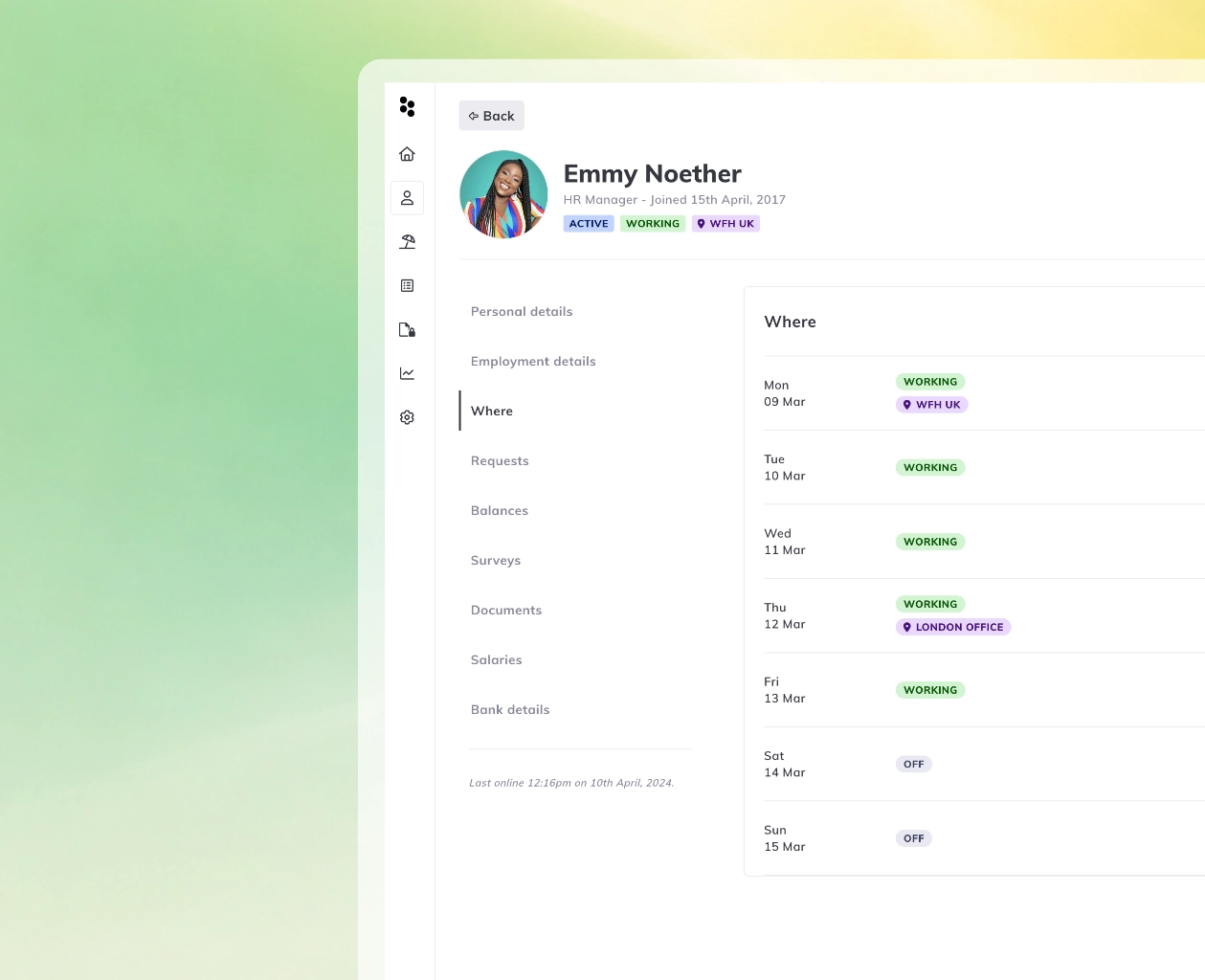
Modern HR platforms such as PandaHR help organisations centralise employee records, manage policies, track leave, and maintain audit trails that improve visibility across HR processes.
By introducing structured systems and clear governance processes, businesses can significantly reduce compliance risks and maintain stronger operational control as they grow.
Frequently asked questions
What is HR compliance?
HR compliance refers to following employment laws, workplace regulations, and internal policies that govern how organisations manage employees.
Why do businesses struggle with HR compliance?
Many companies struggle with compliance because employee records, policies, and HR processes are managed across multiple systems without clear oversight.
What are the most common HR compliance risks?
Common risks include outdated employment contracts, incorrect leave calculations, missing policy acknowledgements, poor record keeping, and inconsistent disciplinary procedures.
How can businesses reduce HR compliance risks?
Businesses can reduce risks by maintaining structured employee records, regularly reviewing policies, tracking acknowledgements, and documenting HR decisions clearly.
How can HR software help with compliance?
HR software can centralise employee data, manage policies, track leave and working patterns, and provide audit trails that help organisations maintain compliance more effectively.
HR software for SMBs
Clarity and control for growing organisations
Start your free trial of PandaHR and manage employee records, policies, and core HR workflows in one secure, structured platform.